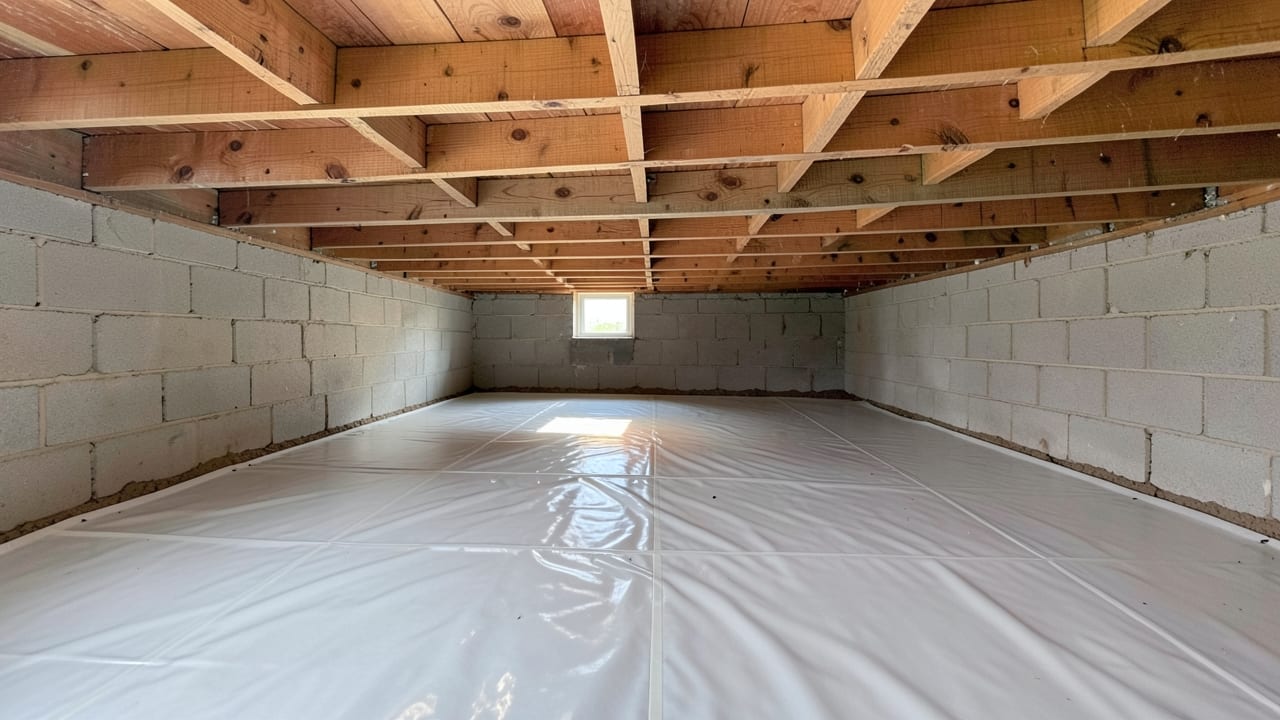
Crawl Space & Basement Mold Remediation
Crawl space and basement mold remediation in Barnstead, NH addresses the two areas of a property most prone to trapped, unnoticed moisture.
In Barnstead, NH, crawl spaces and basements are prime spots for hidden mold growth due to ground moisture and poor airflow. Professional remediation tackles existing mold and addresses the root causes, like vapor barriers or encapsulation, to prevent recurrence.
Why Barnstead Homes Are at Risk
Crawl spaces and basements in Barnstead often sit close to damp soil, with limited ventilation and infrequent checks. Dirt floors or poorly sealed crawl spaces let ground moisture evaporate upward, while unfinished basements with stone or block foundations wick moisture through walls—both create ideal conditions for mold.
We also handle Gym Mold Remediation and Fire Smoke Mold Remediation for Barnstead properties.
Unlike bathrooms or kitchens, these areas lack regular maintenance, so mold can spread unnoticed until it affects indoor air quality or structural integrity.
Signs Your Crawl Space or Basement Needs Remediation
- Musty odors in living spaces or near vents
- Visible mold growth on joists, insulation, or foundation walls
- Peeling paint, water stains, or efflorescence on basement walls
- Increased humidity or condensation on pipes and ducts
- Allergy-like symptoms that improve when away from home
Long-Term Solutions: Stopping Mold at the Source
Remediation alone won’t solve the problem if moisture persists. A vapor barrier installed across a crawl space floor blocks ground moisture from evaporating into the space. For greater protection, full encapsulation seals the area with a wall-to-wall liner, often paired with a dehumidifier or controlled ventilation.
For basements, interior or exterior waterproofing, along with proper drainage, can prevent groundwater from wicking through foundation walls. These steps are critical to ensuring mold doesn’t return after remediation.
| Solution | Best For | Lifespan |
|---|---|---|
| Vapor Barrier | Crawl spaces with dirt floors | 10-20+ years |
| Full Encapsulation | Crawl spaces with severe moisture issues | 20-30+ years |
| Interior Waterproofing | Basements with stone/block foundations | 15-25 years |
| Dehumidifier + Ventilation | Enclosed spaces with high humidity | 5-10 years (requires maintenance) |
What to Expect During Remediation
Our team follows strict containment and HEPA-filtration protocols, adapted for confined spaces like crawl spaces and basements. We remove affected materials, treat surfaces, and ensure spores are captured before they spread.
How Crawl Space & Basement Mold Remediation Works
Our process ensures mold is removed safely and the root cause is addressed.
- 1Inspection & Assessment
We inspect the crawl space or basement for mold, moisture sources, and structural damage. This includes testing humidity levels and identifying any gaps in vapor barriers or waterproofing.
- 2Containment & Air Filtration
The affected area is sealed off with plastic sheeting, and HEPA air scrubbers are used to capture airborne spores. Negative air pressure prevents contamination of other areas.
- 3Mold Removal & Treatment
Porous materials like insulation or drywall are removed and disposed of. Non-porous surfaces are cleaned with antimicrobial solutions, and framing is treated to prevent regrowth.
- 4Moisture Control & Prevention
We install or repair vapor barriers, encapsulation systems, or waterproofing to address the moisture source. Dehumidifiers or ventilation may be added for long-term protection.
- 5Final Inspection & Clearance
A post-remediation inspection confirms the mold is gone and moisture levels are under control. We provide documentation and recommendations for ongoing maintenance.
Frequently Asked Questions
How do I know if my crawl space has mold if I can’t see it?
Musty odors, increased allergies, or condensation on ductwork are common signs. A professional inspection with moisture meters and borescope cameras can confirm mold in hard-to-reach areas.
Will remediation fix the problem permanently, or will the mold come back?
Remediation removes existing mold, but without addressing moisture (e.g., vapor barriers, encapsulation, or waterproofing), it can return. We recommend combining remediation with prevention for lasting results.
Does homeowners insurance cover mold remediation in Barnstead?
Coverage varies by policy. Most standard policies exclude mold unless it’s a direct result of a covered peril, like a burst pipe. Check your policy or consult your insurer for specifics.
How long does it take to get a quote for crawl space or basement mold remediation?
We typically provide a firm quote within 24-48 hours of the inspection. Pricing depends on the size of the area, access challenges, and whether encapsulation or waterproofing is included.
See Tilton Northfield, NH for more, or explore what we cover for Barnstead properties side by side for our complete lineup.
Ready to get started?
Talk to a local mold remediation pro in Barnstead — get a written quote.
Other Mold Remediation Services in Barnstead
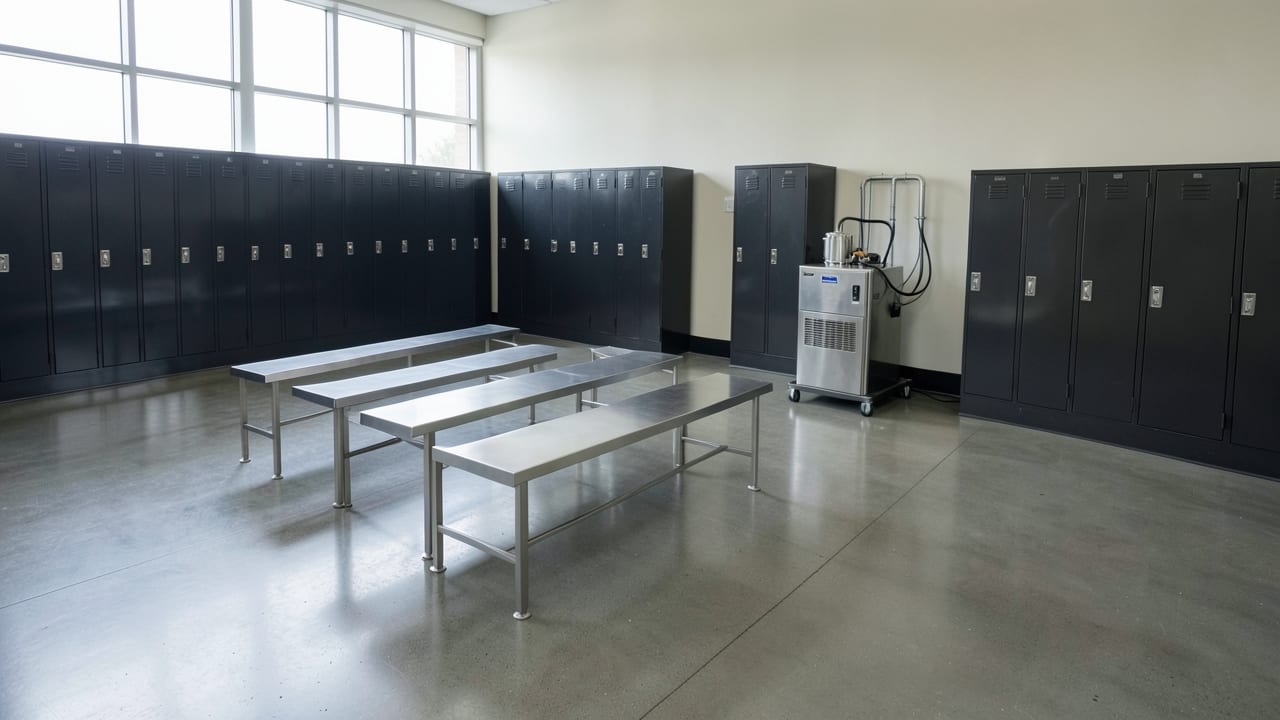
Gym Mold Remediation in Barnstead, NH
Professional removal and treatment of mold in gyms to restore safe, clean environments.
Learn More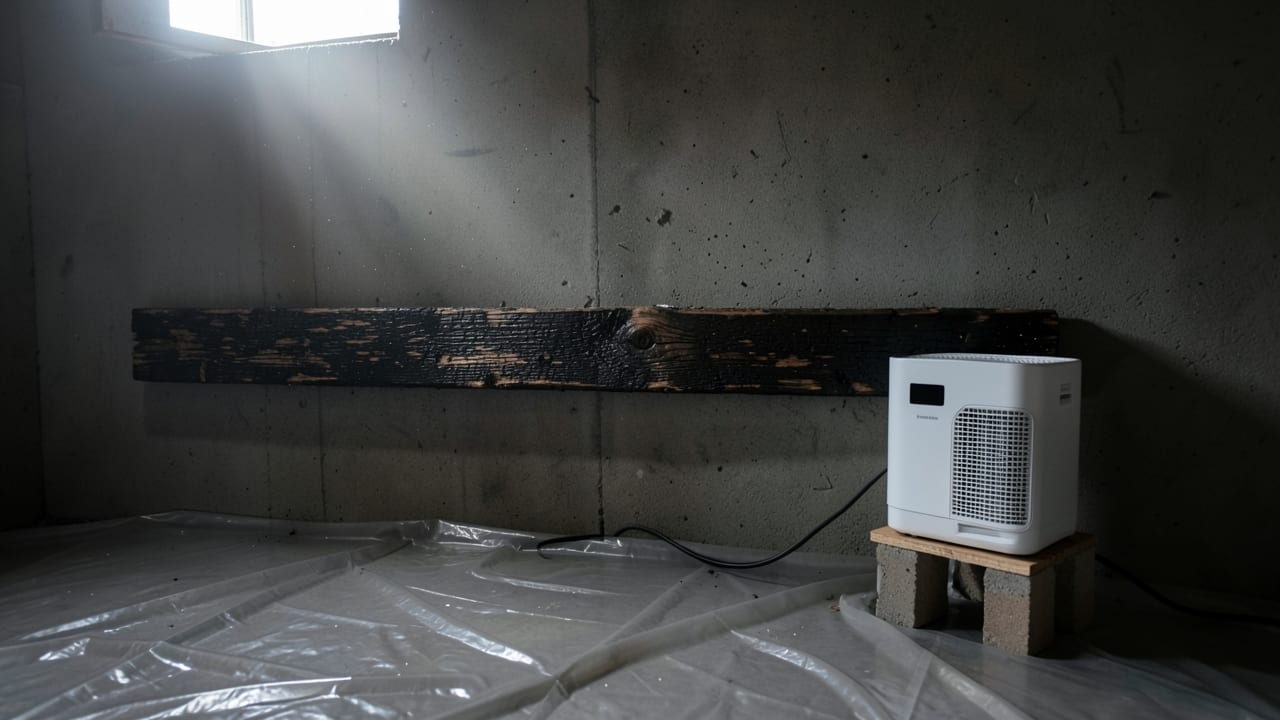
Fire Smoke Mold Remediation in Barnstead, NH
Professional cleanup and restoration of fire, smoke, and mold damage in homes.
Learn More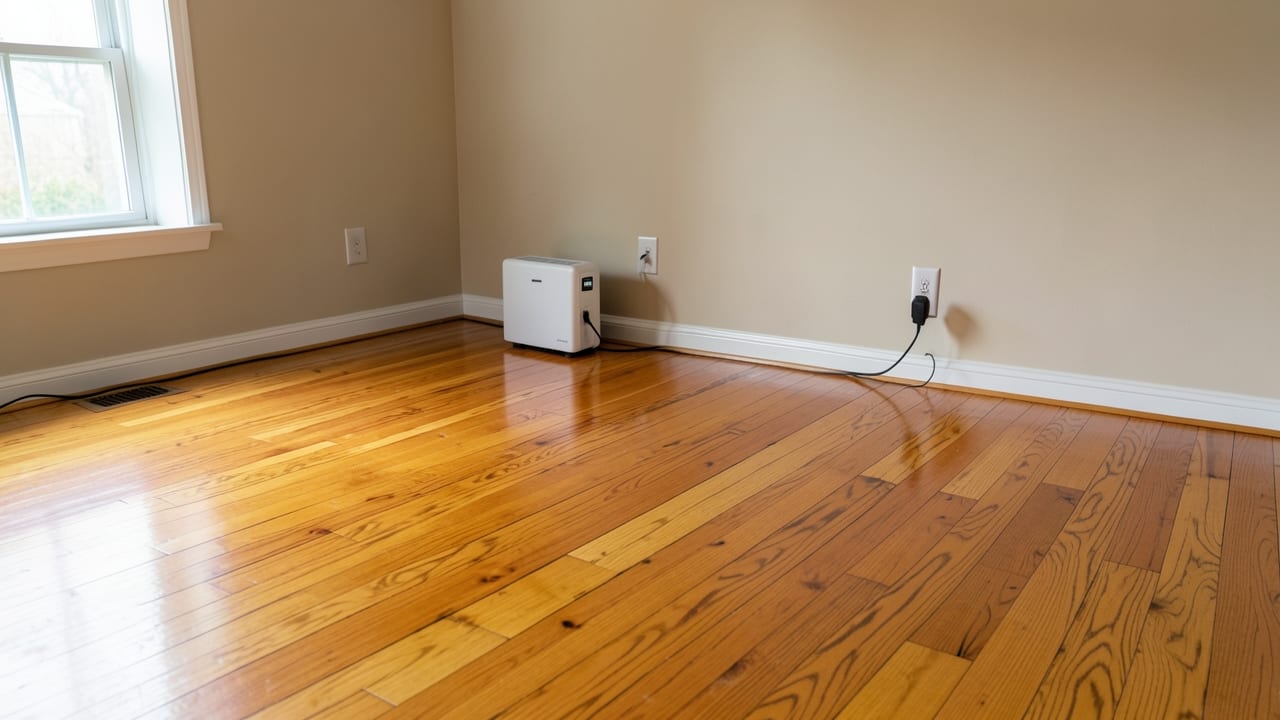
Pet Urine Mold Treatment in Barnstead, NH
Professional removal of mold caused by pet urine in homes, including assessment and treatment.
Learn More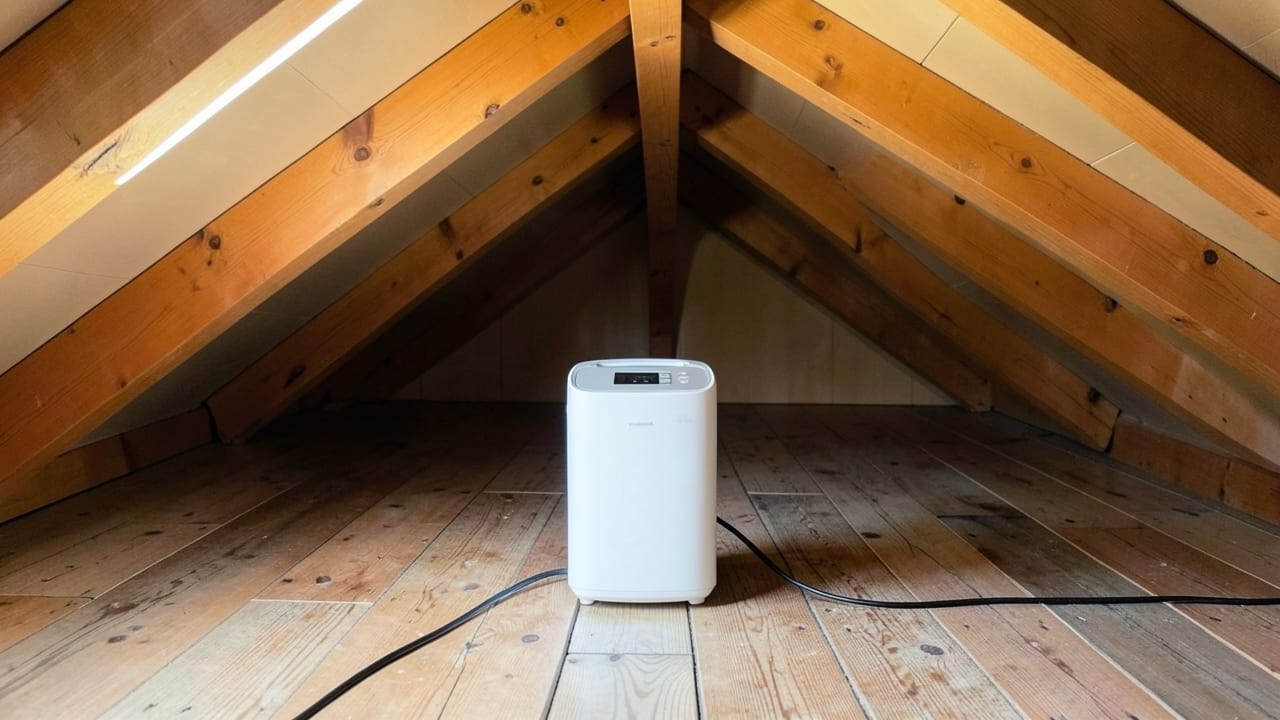
Salt Air Mold Remediation in Barnstead, NH
Professional mold assessment, containment, removal, and prevention in affected areas of the home.
Learn More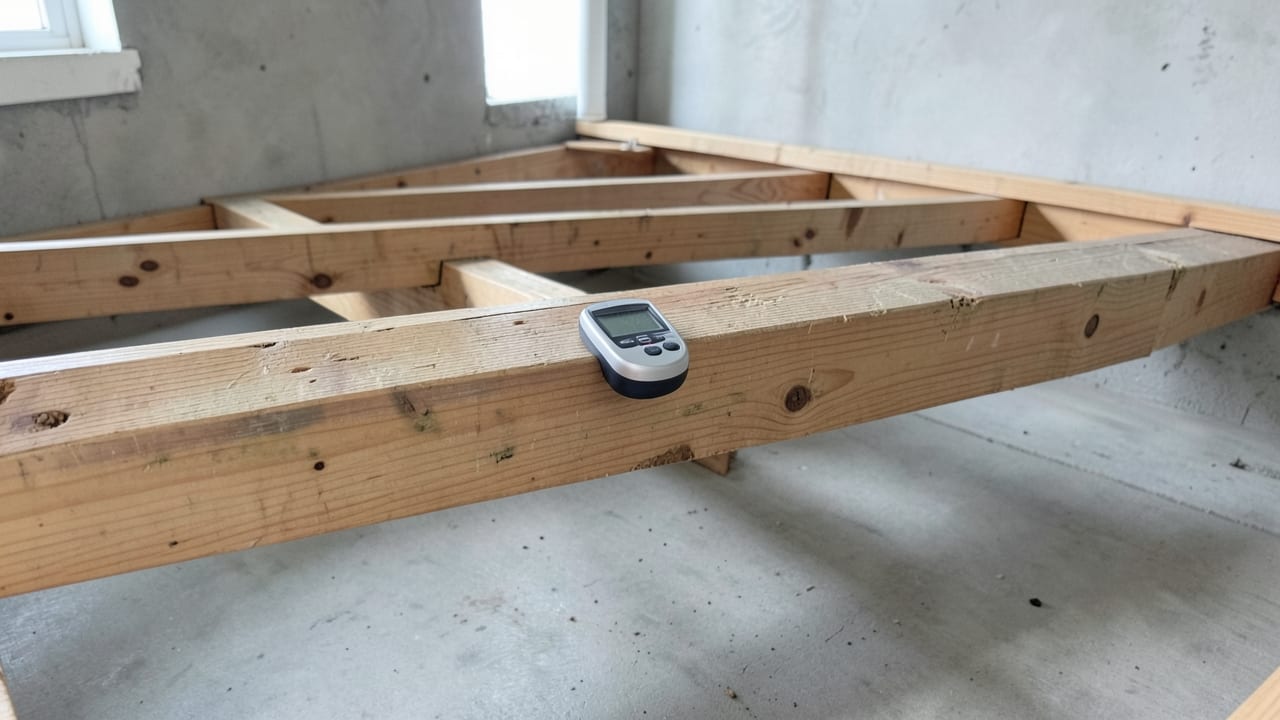
Spring Mold Inspection in Barnstead, NH
Professional assessment and identification of mold growth in homes.
Learn More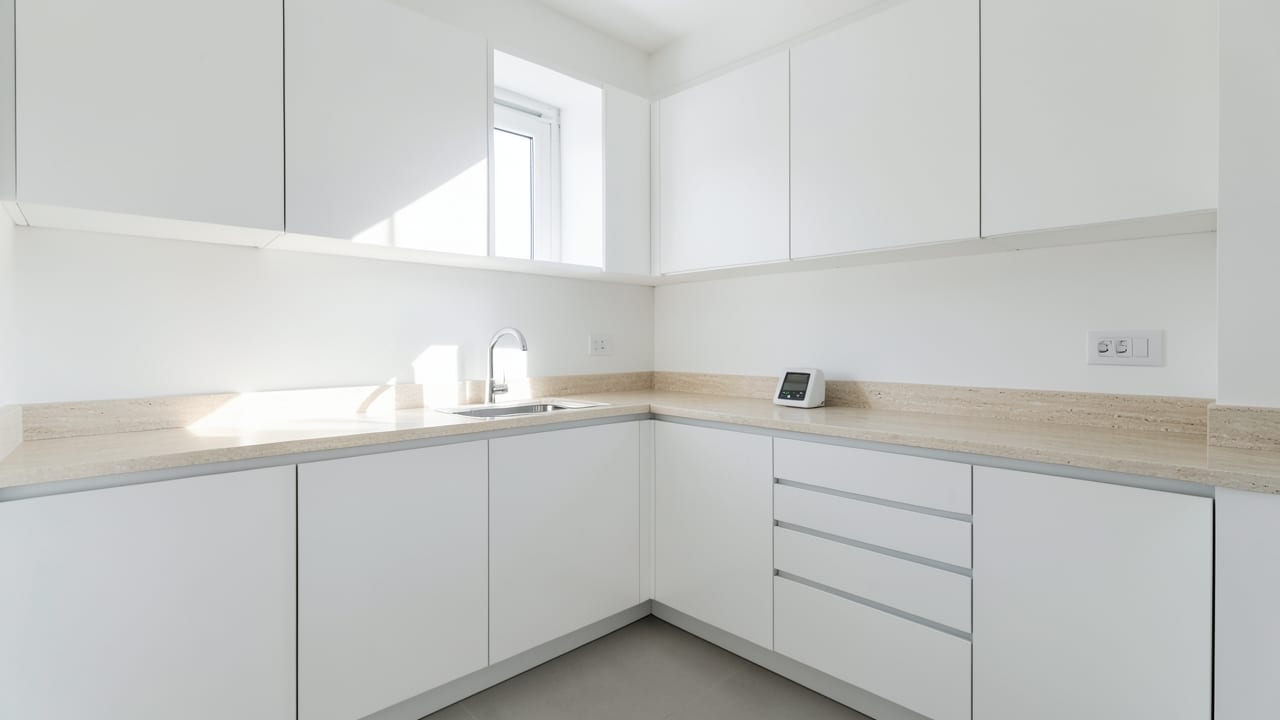
Move-In Mold Assessment in Barnstead, NH
Professional inspection and assessment of mold presence before moving into a property.
Learn MoreCommon Questions About Mold Remediation in Barnstead
Everything you need to know about mold remediation services in Barnstead
How much does Crawl Space & Basement Mold Remediation typically cost in Barnstead, NH?
Why does Barnstead, NH's humidity make mold a bigger risk than in drier regions?
What's the actual difference between mold removal and mold remediation?
Is a final clearance test part of a typical mold remediation job?
How does mold remediation actually prevent the problem from coming back?
Can mold growing inside HVAC ductwork spread to the rest of a home?
Need Mold Remediation in Barnstead?
Connect with local providers in Barnstead for a detailed quote.
⏰ We answer your call • Serving all of Barnstead and surrounding areas