How to Choose a Certified Mold Remediation Company in Barnstead
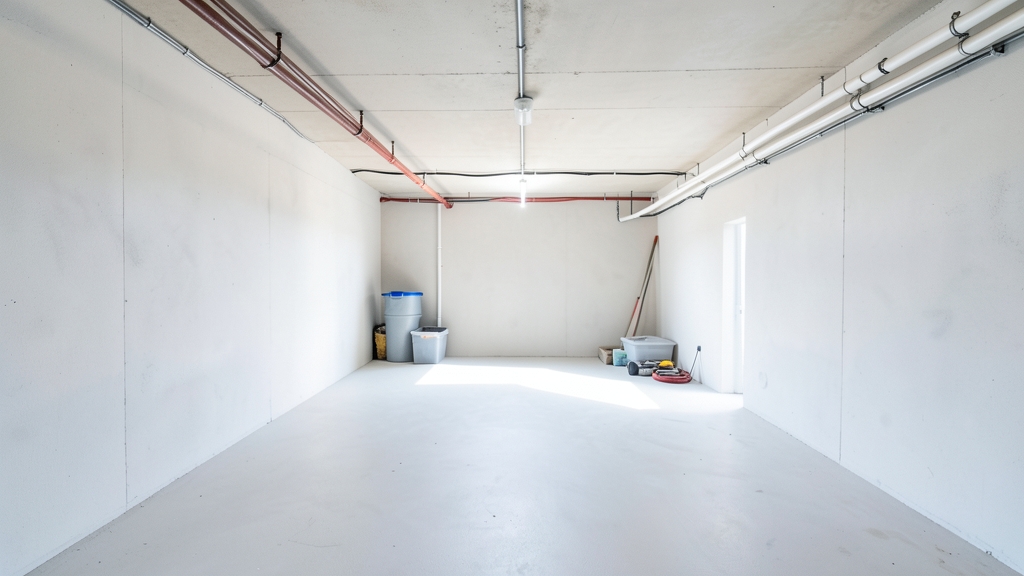
Choosing the right mold remediation team in Barnstead isn’t just about fixing what you see—it’s about addressing hidden spores, moisture sources, and preventing regrowth. We’ve helped homeowners across Strafford and Alton avoid costly mistakes by focusing on certification, methodology, and long-term prevention.
Why Certification Matters in Mold Remediation
Not all mold companies are created equal. In New Hampshire, legitimate remediation firms carry IICRC (Institute of Inspection, Cleaning and Restoration Certification) or RIA (Restoration Industry Association) credentials. These ensure adherence to EPA and industry standards for containment, removal, and disposal.
Beware of contractors who skip certification. Improper handling can aerosolize spores, spreading contamination to clean areas. We’ve seen DIY attempts in Pittsfield and Gilmanton turn minor issues into full-house remediations.
A company that promises ‘mold-free’ results is misleading. Spores are everywhere; the goal is safe, controlled levels. Clearance testing is the only way to verify success.
Key Certifications and Licenses to Verify
Start with IICRC’s Applied Microbial Remediation Technician (AMRT) certification. This confirms training in mold and bacteria remediation, including safety protocols and equipment use.
New Hampshire doesn’t require a state-specific mold license, but reputable companies hold general contractor or home improvement licenses. Always check the NH Department of Environmental Services for compliance history.
For commercial properties, look for firms with additional OSHA and EPA lead-safe certifications. Commercial mold remediation often involves larger-scale containment and stricter disposal regulations.
| Certification | Issuing Body | Focus Area |
|---|---|---|
| Applied Microbial Remediation Technician (AMRT) | IICRC | Mold and bacteria remediation protocols |
| Water Damage Restoration Technician (WRT) | IICRC | Moisture source identification and drying |
| Lead-Safe Certified | EPA | Safe practices in pre-1978 buildings |
| OSHA 10/30 | OSHA | Workplace safety and PPE standards |
The Remediation Process: What to Expect
A proper remediation starts with a thorough mold inspection and testing, often using moisture meters, thermal imaging, and air/surface sampling. This identifies the extent and type of mold, including hidden growth in walls or crawl spaces.
Containment is critical. We use negative air pressure and HEPA filtration to prevent spores from migrating. In Barnstead’s older homes, this often means sealing off basements or attics during work.
Removal follows, using antimicrobial treatments and physical cleaning or demolition of porous materials. Post-remediation, clearance testing by a third-party inspector confirms the area meets safe spore count thresholds.
Questions to Ask Before Hiring
Do they provide a detailed scope of work in writing? This should include containment methods, equipment used, and disposal plans. Vague estimates are a red flag.
Will they handle moisture control? Mold returns without fixing leaks, poor ventilation, or high humidity. In our climate, crawl space encapsulation and dehumidifiers are often necessary in Alton and Strafford.
Do they offer post-remediation testing? Some companies skip this to cut costs. Always insist on independent clearance testing to avoid hidden contamination.
Non-Negotiables When Hiring
- IICRC or RIA certification
- Written scope of work and warranty
- Third-party clearance testing
- Proof of insurance (liability and workers’ comp)
- References from local projects (ask for Barnstead, Pittsfield, or Gilmanton examples)
Equipment and Technology: Separating Pros from Amateurs
Professional remediation requires specialized tools. HEPA air scrubbers, negative air machines, and moisture meters are non-negotiable. Thermal imaging cameras help locate hidden moisture in walls or ceilings.
Avoid companies using basic household cleaners or bleach. These don’t address porous materials and can worsen spore release. We use EPA-approved antimicrobials and HEPA vacuums for safe, effective removal.
For large or commercial jobs, look for firms with industrial-grade dehumidifiers and containment barriers. These are essential for schools, offices, or multi-unit buildings in the region.
Understanding Costs: What Drives the Price?
Mold remediation costs vary widely based on the extent of contamination, affected materials, and accessibility. A small attic job may require less containment than a full basement with water damage.
Key factors include the type of mold (e.g., black mold often requires more aggressive treatment), the need for demolition, and whether moisture control systems (like dehumidifiers or vapor barriers) are installed.
Always request a quote after an on-site assessment. Pricing should be transparent, with no hidden fees for testing, disposal, or additional treatments.
Local Considerations for Barnstead and Surrounding Areas
Barnstead’s humid summers and cold winters create ideal conditions for mold growth in basements, crawl spaces, and attics. Poor ventilation in older homes exacerbates the problem.
Nearby areas like Alton and Strafford share similar challenges, especially in lake-adjacent properties where moisture levels are higher. We often see mold in bathrooms, kitchens, and behind drywall in these homes.
For commercial clients in Pittsfield or Gilmanton, we focus on minimizing downtime. This may involve phased remediation or after-hours work to keep businesses operational.
Installing a dehumidifier in your basement or crawl space can reduce moisture levels below 50%, the threshold where mold struggles to grow. This is a game-changer in NH’s climate.
How to Vet a Mold Remediation Company in 5 Steps
Use this checklist to ensure you’re hiring a qualified, transparent team.
- 1Check Certifications
Verify IICRC AMRT or RIA certifications. Ask for proof and cross-check with the issuing organization’s database.
- 2Review Their Process
Ensure they follow EPA guidelines: inspection, containment, removal, cleaning, and clearance testing. Skip any company that omits steps.
- 3Ask for Local References
Request examples of past work in Barnstead, Alton, or Strafford. Follow up with those clients to ask about their experience and results.
- 4Confirm Insurance and Licenses
A legitimate company carries liability insurance and workers’ comp. In NH, check for a general contractor or home improvement license.
- 5Get a Written Estimate
The quote should detail the scope of work, materials, timeline, and warranty. Avoid verbal agreements or vague pricing.
Frequently Asked Questions
How do I know if a mold remediation company in Barnstead is legitimate?
Legitimate companies hold IICRC or RIA certifications, provide written scopes of work, and offer third-party clearance testing. They’ll also have proof of insurance and local references. Always verify credentials directly with the certifying body.
Can I stay in my home during mold remediation?
It depends on the extent of contamination. For small, contained areas (like a bathroom), you may be able to stay. Larger jobs, especially those involving toxic black mold or full-house containment, require temporary relocation. Your remediation team will advise based on safety protocols.
Why is clearance testing important after remediation?
Clearance testing, performed by an independent third party, verifies that spore counts are within safe limits. Without it, you have no proof the mold was fully removed. This step is critical for health and resale value, especially in Barnstead’s competitive housing market.
Does homeowners insurance cover mold remediation in NH?
Coverage varies by policy. Most standard policies exclude mold unless it’s a result of a covered peril (e.g., a burst pipe). Review your policy or consult your insurer. Some companies, like those in Alton or Pittsfield, offer supplemental mold coverage.
What’s the difference between mold removal and mold remediation?
Mold removal refers to physically eliminating mold from surfaces. Remediation is a comprehensive process that includes containment, removal, cleaning, and addressing the moisture source to prevent regrowth. True remediation ensures the problem doesn’t return.
How can I prevent mold from returning after remediation?
Fix the moisture source—whether it’s a leak, poor ventilation, or high humidity. Use dehumidifiers in basements and crawl spaces, ensure proper attic ventilation, and address water damage immediately. Regular mold inspections and air quality testing can catch issues early.