Barnstead Home Buyers: How to Protect Yourself from Mold-Related Issues
Buying a home in Barnstead is exciting, but hidden mold can turn your dream into a nightmare. We’ve seen firsthand how undetected growth in basements, attics, or crawl spaces derails closings—and budgets. A thorough mold inspection before purchase is your best defense.
Why Mold Is a Silent Dealbreaker in Barnstead Homes
Barnstead’s humid summers and cold, damp winters create ideal conditions for mold to thrive—especially in poorly ventilated basements and attics. Spore counts can skyrocket after heavy rains or snowmelt, often before visible signs appear.
Unlike termites or foundation cracks, mold hides behind drywall, under flooring, or in HVAC systems. By the time you smell that musty odor, the problem may already be widespread—and costly to remediate.
General home inspectors often lack the tools or training to detect hidden mold. A dedicated mold inspection with air quality testing is the only way to confirm spore levels and identify sources.
Key Areas We Inspect in Barnstead Properties
Basements and crawl spaces top the list. Poor drainage, cracks in foundation walls, or a missing vapor barrier can lead to chronic moisture—and mold. We’ve seen this often in older homes near the Suncook River.
Attics are another hotspot. Ice dams in winter trap moisture, while inadequate ventilation in summer causes condensation. Both scenarios feed mold growth on sheathing, rafters, and insulation.
Don’t overlook HVAC systems, bathrooms, and laundry rooms. Leaky pipes, improperly sealed ducts, or exhaust fans venting into attics can spread spores throughout the house.
Mold Inspection vs. Mold Testing: What Barnstead Buyers Need to Know
A mold inspection is a visual and physical assessment of the property, using moisture meters, thermal imaging, and borescopes to locate hidden growth. It identifies the problem areas and likely causes.
Mold testing, or air quality testing, measures spore counts in the air and compares them to outdoor baselines. Surface testing can also confirm the type of mold present. Together, they give you a complete picture.
| Aspect | Mold Inspection | Mold Testing |
|---|---|---|
| Primary Goal | Locate and assess mold growth and moisture sources | Measure spore types and concentrations in air/surfaces |
| Tools Used | Moisture meters, thermal cameras, borescopes | Air pumps, petri dishes, lab analysis |
| Identifies Hidden Mold? | Yes, behind walls, under floors, in attics | Indirectly, via elevated spore counts |
| Provides Species Info? | No, unless paired with testing | Yes, lab results specify mold types |
| Typical Turnaround | quick findings | 24-48 hours for lab results |
What Happens If We Find Mold Before Closing?
First, don’t panic. Mold is common, and most issues are manageable with the right remediation plan. We’ll provide a detailed report outlining the extent, type, and root cause of the growth.
You can use this report to negotiate with the seller—requesting repairs, a price reduction, or a credit for remediation costs. In competitive markets like Alton or Strafford, a clean mold inspection can also give you an edge over other buyers.
Work with your realtor to include a mold inspection contingency in your purchase agreement. This gives you an out—or leverage—if significant mold is discovered.
The Mold Remediation Process: What to Expect
Remediation starts with containment. We seal off affected areas with plastic sheeting and use negative air pressure to prevent spores from spreading during cleanup. HEPA air scrubbers run continuously.
Next, we remove contaminated materials—drywall, insulation, carpeting—following EPA guidelines. Non-porous surfaces are cleaned with antimicrobial solutions. Porous items like furniture or ceiling tiles often must be discarded.
Finally, we address the moisture source. Without fixing leaks, improving ventilation, or installing dehumidifiers, mold will return. We often work with water damage restoration teams in Pittsfield or Gilmanton for complex cases.
How Long Does Mold Remediation Take in Barnstead?
Timelines vary based on the size and severity of the infestation. A small, contained issue in a bathroom might take 1-2 days. A full basement or attic remediation can take a week or more, especially if structural drying is required.
Post-remediation verification is critical. We’ll retest the air and surfaces to confirm spore levels have returned to normal. This step is non-negotiable for your safety—and your lender’s peace of mind.
Preventing Mold After You Move In
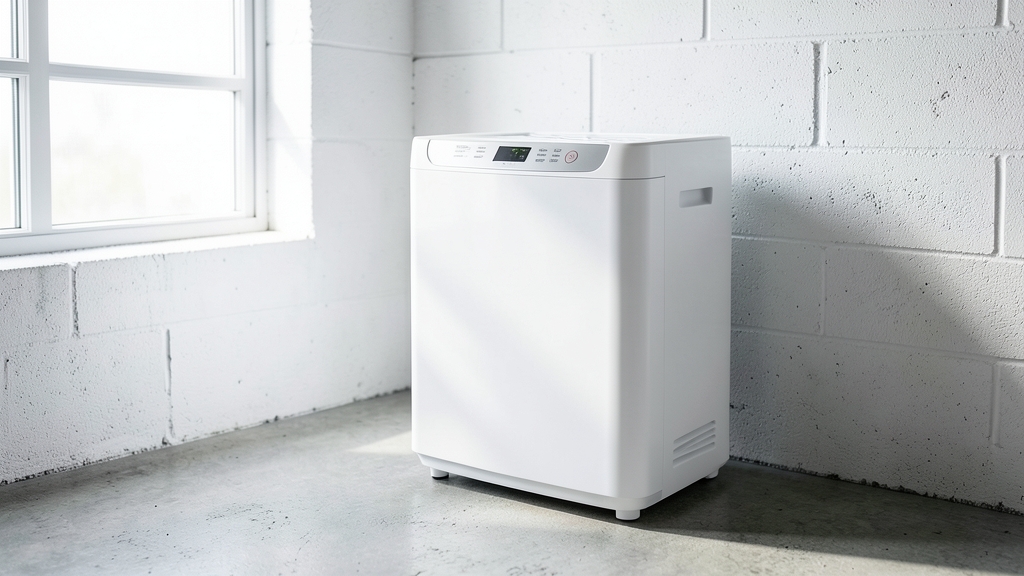
Barnstead’s climate demands proactive moisture control. Run dehumidifiers in basements and crawl spaces, aiming for humidity below 50%. Empty and clean them regularly to prevent their own mold growth.
Inspect your roof and gutters annually. Clogged gutters or damaged shingles can lead to water intrusion and attic mold. Also, ensure bathroom and kitchen exhaust fans vent outside—not into the attic.
Consider a whole-home moisture audit. We often recommend this for older homes or properties with a history of water damage. Small fixes, like sealing crawl space vents or adding insulation, can prevent big problems.
Quick Mold Prevention Checklist for New Homeowners
- Install and maintain dehumidifiers in basements/crawl spaces
- Use exhaust fans in bathrooms and kitchens (vented outside)
- Inspect roof, gutters, and downspouts seasonally
- Seal cracks in foundation walls and around windows
- Monitor humidity levels with a hygrometer (keep below 50%)
- Address plumbing leaks or condensation immediately
How to Request a Mold Inspection Before Buying a Barnstead Home
Scheduling a mold inspection is a smart step in your home-buying process—here’s how to do it right.
- 1Schedule Early
Book the inspection as soon as your offer is accepted. Mold testing can take 24-48 hours for lab results, so don’t wait until the last minute.
- 2Choose an Inspector
Ensure your inspector is trained in mold assessment and follows IICRC or EPA guidelines. Ask about their experience with Barnstead’s common issues, like basement moisture.
- 3Provide Access
Clear clutter from basements, attics, and crawl spaces so the inspector can thoroughly assess these areas. Locked rooms or blocked access can delay the process.
- 4Review the Report
Go over the findings with your inspector. They should explain the type of mold, spore counts, moisture sources, and recommended next steps—whether it’s remediation or further testing.
- 5Use the Results
Share the report with your realtor to negotiate repairs or credits. If remediation is needed, we can provide a detailed quote and timeline to include in your discussions.
Frequently Asked Questions
Is mold a dealbreaker when buying a home in Barnstead?
Not necessarily. Many mold issues can be resolved with proper remediation. The key is understanding the scope, cost, and whether the seller is willing to address it. We’ve helped buyers in Strafford and Alton negotiate successful resolutions.
How much does a mold inspection cost for a home purchase?
Costs depend on the size of the home, the number of areas tested, and whether air quality or surface sampling is included. Factors like crawl space access or attic height can also play a role. Request a quote for an accurate estimate tailored to your property.
Can I do my own mold test before buying?
DIY mold test kits are available, but they have limitations. They often lack the precision of professional equipment and may not identify hidden mold. Plus, interpreting results requires expertise. For a home purchase, a professional inspection is the safer choice.
Will mold remediation be covered by the seller’s home insurance?
It depends on the policy and the cause of the mold. Sudden water damage (e.g., a burst pipe) is more likely to be covered than long-term moisture issues like poor ventilation. Always check the seller’s policy and consult with your realtor.
What’s the most common type of mold found in Barnstead homes?
We frequently encounter Cladosporium, Aspergillus, and Penicillium—common in damp basements and attics. Stachybotrys (black mold) is less common but can appear after prolonged water damage. Each type requires a tailored remediation approach.
Do I need mold testing if the home inspection didn’t find any mold?
A standard home inspection isn’t a mold inspection. If the home has a musty smell, visible water stains, or a history of leaks, we recommend air quality testing. Mold can hide in places a general inspector might miss, like inside walls or under flooring.